
 Religious & Biblical

 Challenge-Style & Military
 Presidential & Diplomatic
 Ancient & Rare Numismatics


The Pontius Pilate Bronze Prutah
Variants
 Bronze
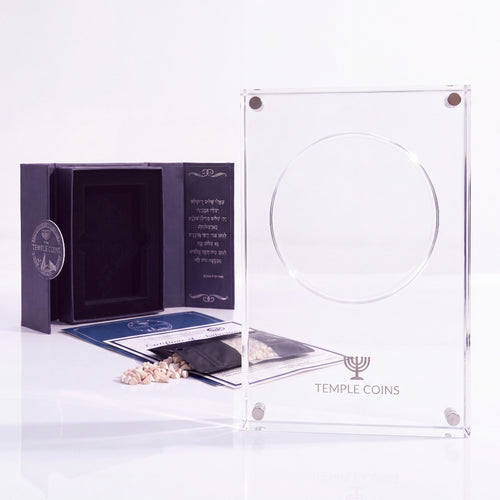
Included with every coin
 Gift-ready
-
 Signature Gift Box
-
 Prestige Display Case
-
 Jerusalem Limestone
-
 Certificate of Authenticity


- Regular price
- $250.00
- Sale price
- $250.00
- Regular price
No video available for this product.


The Symbols
Every coin includes a Certificate of Authenticity backed by the expertise of a government-authorized antiquities dealer.
The certificate provides documented context for the piece, featuring details such as:
- A formal declaration guaranteeing the item as a genuine antiquity.
- Historical background on the era, the ruler who minted the coin, and the historical climate of the time.
- A numismatic description detailing the coin's denomination and minting dates.
- Explanations of the specific motifs and symbols featured on the coin.
- Translations of any relevant ancient inscriptions where applicable.
Each coin purchase contributes to meaningful causes:
- Leket
- Mikdash Educational Center
- OnePeople Israel
- Israeli Children's Fund
- Yad Vashem
- Zaka
more to come...
More about the charities
Your investment extends beyond collecting - it's an act of giving and making a difference in the world.
Comprehensive Customer Care: Before, During, and Beyond
Our commitment to exceptional service accompanies you throughout your journey with us.
Pre-Purchase: Explore our collection with guidance from our experts, ensuring you find the perfect piece.
During Purchase: Experience a seamless, secure transaction with real-time support for any inquiries.
Post-Purchase: Our dedication continues after you receive your coin. We offer ongoing support, care advice, and are always available to answer any further questions, ensuring your complete satisfaction and a lasting relationship beyond your purchase.
Call: +972-547343494
Email: info@temple-coins.com
Peace of Mind with Our Refund Policy
Shop confidently knowing you have a 30-day return policy for undamaged, unused items in original packaging.
While certain items like gift cards and perishable goods are not returnable, most items, including regular-priced coins, are eligible.
If there's an issue, refunds are processed promptly upon item inspection.
For gifts, receive a gift credit if returned. Shipping costs are non-refundable, and we recommend trackable shipping for valuable items.
Feel secure with every purchase, knowing we're here to support you every step of the way.


You May Also Like


-
 Trusted
-
 Quality assured
-
 Secure
-
 Customer Service
-
 Charity & Values
-
 Authentic Originals


